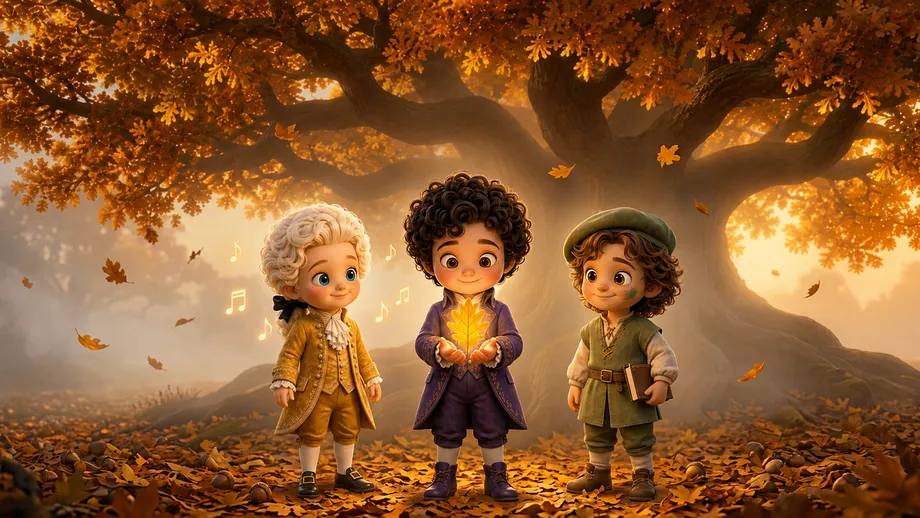
Choosing what your child watches can feel surprisingly high-stakes. There are thousands of cartoons that call themselves educational — but the word covers everything from frantic counting songs to quiet stories about feelings. This guide is a simple, parent-to-parent framework for telling the genuinely good ones apart.
The short version
A genuinely educational cartoon does three things: it tells a real story, it leaves one clear idea a child can carry into the rest of the day, and it respects a child’s pace instead of bombarding their attention. Everything below is a way of checking for those three things.
1. Pacing you can feel
Watch the first 60 seconds with the sound on and notice your own shoulders. Frantic cuts, loud stingers, and wall-to-wall noise are designed to grab attention — but attention-grabbing isn’t the same as learning. Calmer shows give a child room to notice, predict, and feel. A gentle rhythm also makes co-viewing far more pleasant, which matters because the research-backed magic of kids’ media is usually the conversation around it, not the screen itself.
2. One clear idea per story
The best episodes are about something: trying again after a mistake, noticing a small beautiful thing, helping a friend who’s upset. You should be able to answer “what was that one about?” in a single sentence. Shows that are just a string of gags or product tie-ins rarely leave anything behind.
In Sasha’s Golden Garden, for example, each short episode is built around a single gentle idea — and the “lesson” is shown through the story rather than announced. (You can see this in the episodes, each tagged with its one idea.)
3. Values you’d say out loud
Pause and ask: what is this show teaching my child to want? Kindness and curiosity are wonderful defaults. Be wary of shows that model meanness as comedy, constant one-upmanship, or a steady drip of “buy this.”
4. Content that’s safe for little nervous systems
For younger children especially, look for no scary imagery, no strobing or flashing, and no jump-scares. Soft visuals and predictable structure aren’t boring to a toddler — they’re reassuring, and repetition is genuinely how young children learn.
5. It invites you in
The highest compliment a kids’ show can earn is that you don’t mind watching it. Co-viewing turns passive minutes into shared ones: you point, you name things, you ask “what do you think happens next?” Choose shows that make that easy.
A quick checklist
- Calm pacing — no frantic cuts or constant loud sounds
- One clear, namable idea per episode
- Kindness, curiosity, and friendship modeled honestly
- No scary content, strobing, or jump-scares
- Short enough to finish a whole story
- Something you’re happy to watch alongside your child
Red flags
- Wall-to-wall noise and rapid cuts
- Meanness or constant rivalry played for laughs
- Heavy product placement or “buy me” messaging
- Cliffhangers engineered to make a child beg for “one more”
Where to go next
If you’re after a calm, story-first option, you can watch Sasha’s Golden Garden, meet the characters, or read our companion guides on gentle cartoons for toddlers and bedtime cartoons. You can also download a free coloring pack for a screen-free wind-down.
This article is general parenting information, not medical or developmental advice. For guidance specific to your child, talk with your pediatrician.