Raising a child with more than one language is a beautiful, sometimes daunting project. Stories can help — not as a magic shortcut, but as a warm, repeatable source of exposure that a child actually wants.
The short version
Children don’t learn a language from a screen alone — they learn it from interaction. But a well-made bilingual cartoon gives them rich, motivating input (real voices, music, story) and a reason to tune in. Paired with talking, reading, and play, it’s a genuinely helpful part of the mix.
Why stories are good language fuel
Vocabulary lists are forgettable; stories are sticky. When a word arrives attached to a feeling, a character, and a moment, it has somewhere to live in a child’s memory. Songs and rhymes are even stickier — melody and rhythm are powerful memory hooks, which is why children who can barely talk can still belt out a familiar tune.
Same story, two languages
One of the most useful formats for bilingual families is the same story told fully in each language. The pictures, the timing, and the feelings stay identical — only the words change — so a child can recognize the story and meet new words on familiar ground.
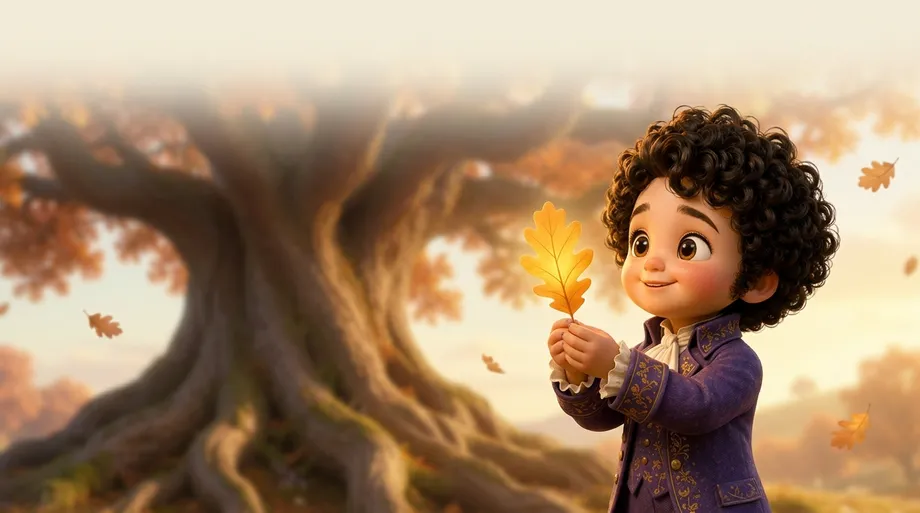
That’s how Sasha’s Golden Garden is built. Every episode is produced in full English and full Russian. The animation, the music, and the pacing are the same; only the voiceover changes. A child can watch a beloved story in one language today and the other tomorrow — and families with two languages at home can choose whichever they need.
Practical tips for two languages at home
- Be consistent, not perfect. A predictable little routine (“Russian story before snack”) beats sporadic big efforts.
- Talk around the show. Repeat a fun word, point at the screen, ask a question — interaction is the active ingredient.
- Use songs and rhymes. They’re memory glue. Our free pack includes a bedtime rhyme card to read together.
- Let the child lead. If they want the same episode ten times, wonderful — repetition is how the words sink in.
- Keep it joyful. The goal is warmth toward the language, not pressure.
Try it
You can watch the show in English or switch to the Russian version anytime, or meet the friends first. For more on choosing well, see what makes a cartoon educational.
This article is general parenting information, not medical or developmental advice. For concerns about your child’s language development, talk with your pediatrician.